
Pride in Practice
Identifying as a creative has always been tied to self-expression, but it also holds something greater than that. It is a language that extends beyond the self—a way of documenting lives, preserving stories, and questioning the worlds we inherit. For queer creatives, that act of making often carries another layer. They inhabit a practice of care, not only for what they create, but in how spaces are built, collaborators are treated, and how safety is actively held within an industry that celebrates inclusion, but does not always guarantee it.
This pride month, The Third World spoke with three queer creatives across the disciplines of fashion, music, and beauty. Each was asked similar questions about the relationship between their work and identity, offering varied perspectives on how the two intersect, diverge, and coexist within their practice.
RIK RASOS
Rik Rasos is the owner and creative director of Proudrace, a contemporary fashion label known for its reinterpreted and reworked apparel that channels street and subculture references. In November 2025, the brand made history as the first Filipino label to partner with Adidas, reimagining the Jabbar Low through distinctly Filipino sensibilities.
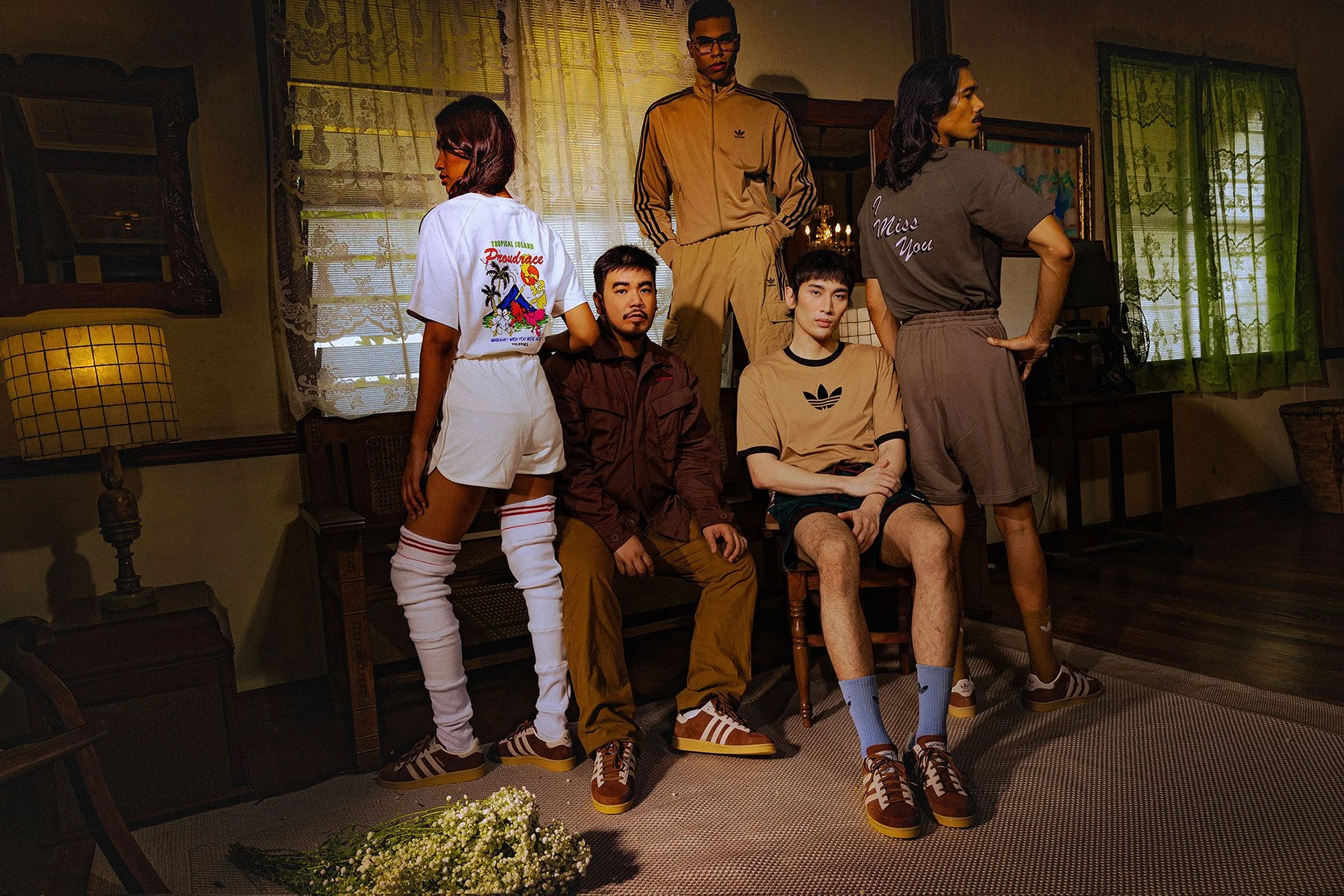
Photo credits from Rik Rasos
Q&A
IN WHAT WAYS DO DIFFERENT ASPECTS OF YOUR IDENTITY SHOW UP IN YOUR WORK?
I don’t see my identity as the singular force that dictates my work. If anything, my work is where different parts of my identity find expression. My cultural identity and my gender identity are not interchangeable. As a brand, I'm deeply inspired by my roots and the culture that shaped me. As an artist, my gender identity becomes another lens through which I explore ideas, emotion, and self expression. Each informs my practice in its own way, but neither defines the whole of it.
HOW DO YOU NAVIGATE THE RELATIONSHIP BETWEEN PERSONAL EXPERIENCE AND ARTISTIC EXPRESSION?
I see the two as deeply intertwined, each informing the other in subtle ways. Yet I’ve learned to distinguish where each belongs. As a fashion designer, my work is shaped by a particular set of values, references, and intentions. As an artist, I allow myself a different perspective; one that is more personal, introspective, and uninhibited. While they exist in the same dialogues sometimes, I consciously compartmentalize these practices, allowing each to speak in its own distinct voice.
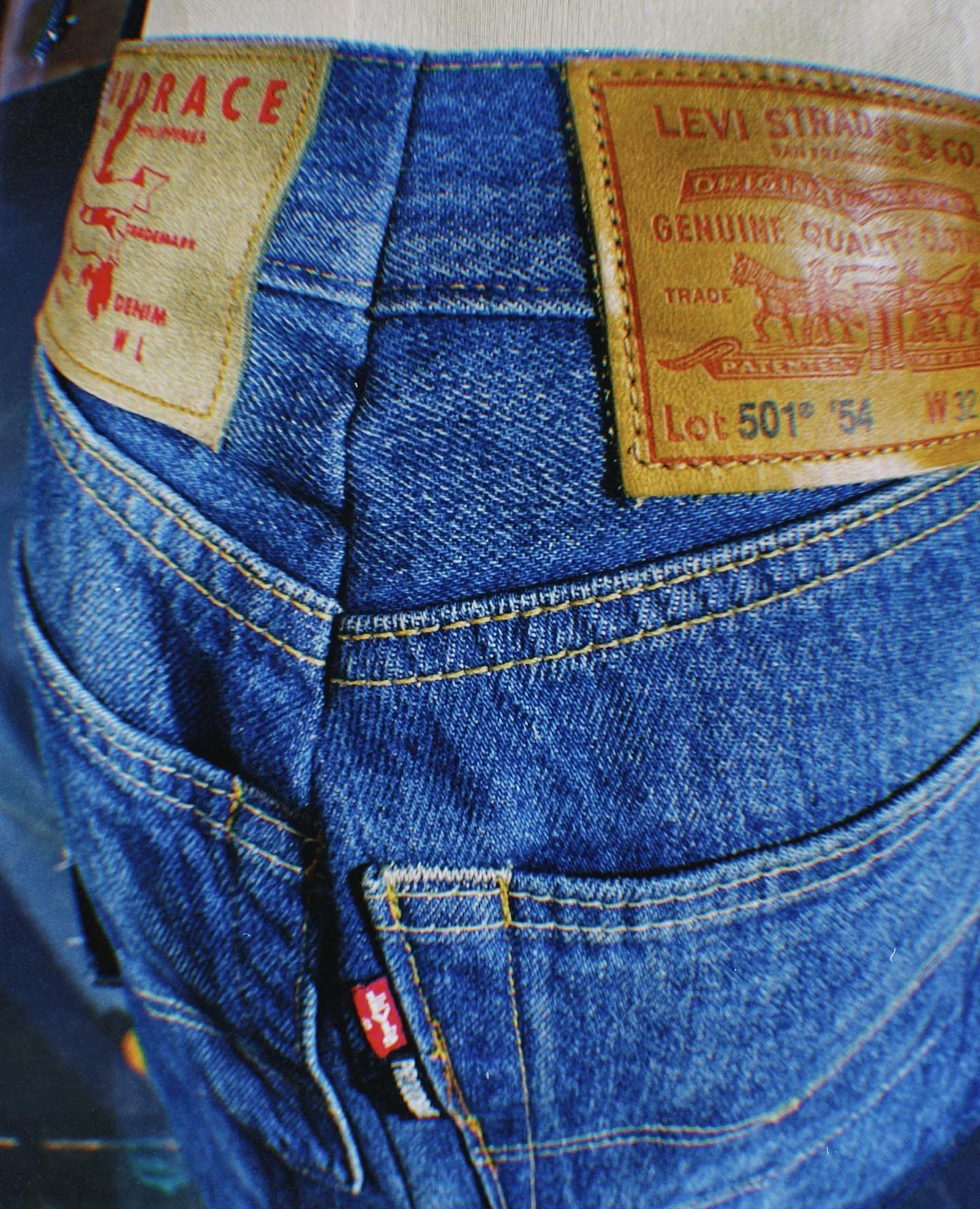
Photo credits from Rik Rasos
HOW HAS CREATIVITY HELPED YOU BECOME MORE FULLY YOURSELF?
For me it’s about much more than creativity. It’s about the lifelong process of understanding who I am and having the courage to live that truth openly. In a world that can often be deeply polarizing, choosing authenticity is an act of quiet resistance. Every piece I create is not only an expression of my ideas but also a reflection of my journey toward becoming more comfortable in my own skin. The work is born from a desire not just to create but to exist honestly and unapologetically.
OUTSIDE OF THE ANNUAL CELEBRATIONS, WHAT DOES LIVING PRIDE LOOK LIKE TO YOU?
Pride to me is far more expansive than identity alone. It’s about dignity, freedom, and the courage to exist authentically. It begins with accepting yourself but it doesn’t end there. It extends into how we stand up for one another and continue the dialogue of ensuring the same rights for people are seen and implemented. A protest whether that’s through the stories we tell, the art we create or the advocacy we choose to pursue.
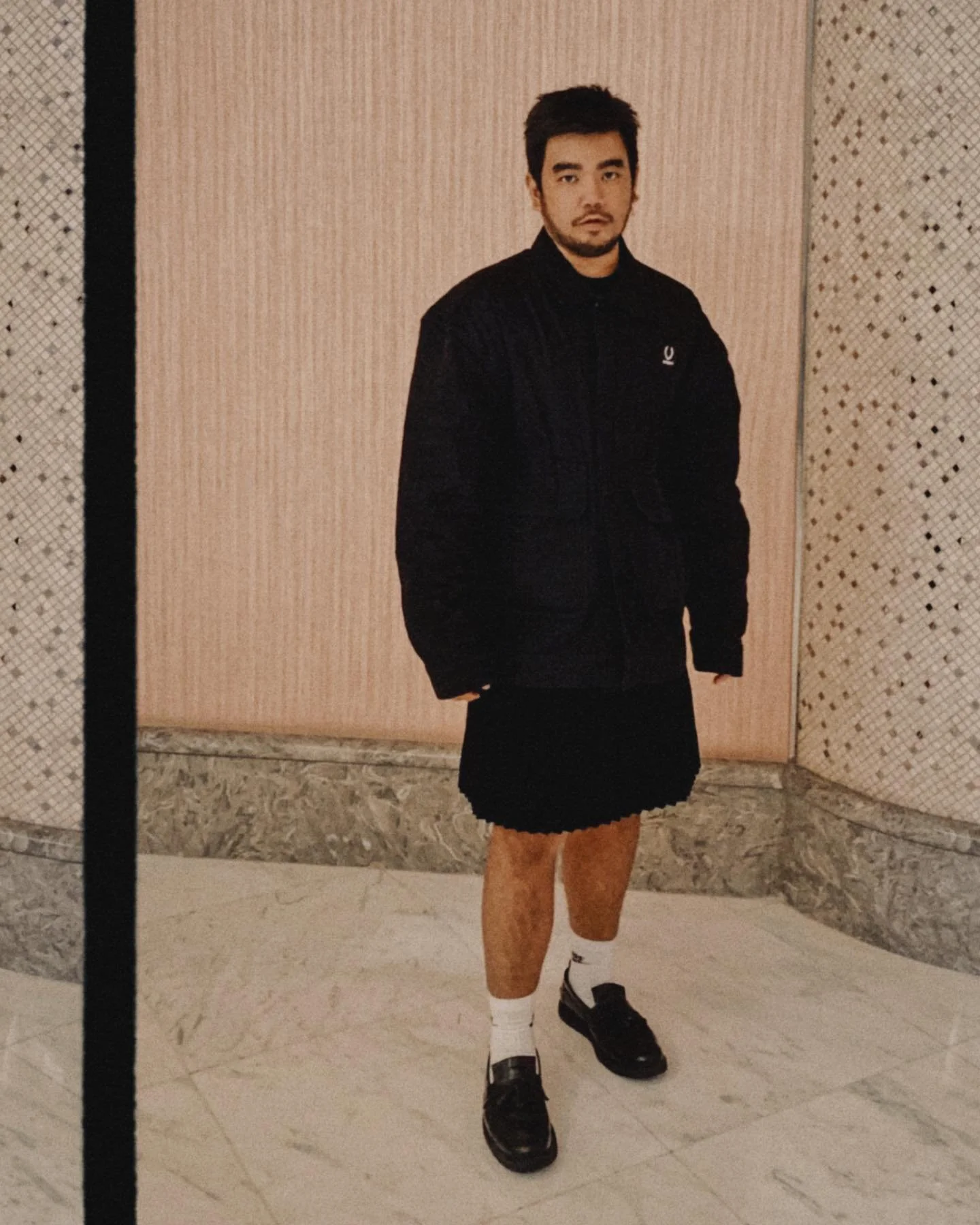
Photo credits from Rik Rasos
BABY FREEZE
BABY FREEZE, also known as Sammi Borromeo, is a Pinoy hip-hop act shaping her lane in the local music scene. Her experience of being a woman in hip-hop has pushed her toward creating more space for women within it. Alongside her humor and personality, BABY FREEZE she is known for her tracks such as, “LIL ICE” and “MOST HIGH.”
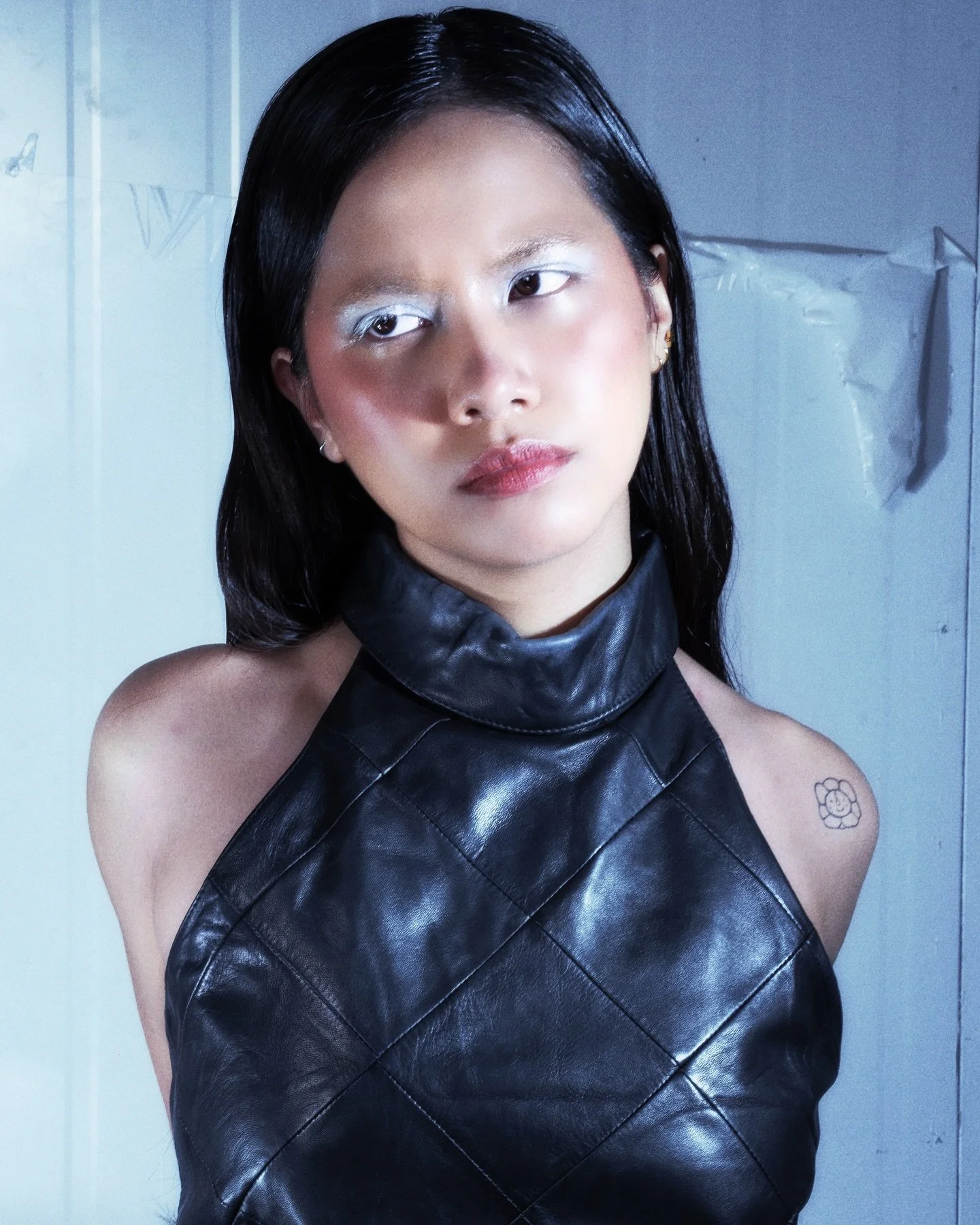
Photo credits from BABY FREEZE
Q&A
HOW HAS YOUR CREATIVE PRACTICE SHAPED YOUR UNDERSTANDING OF YOUR IDENTITY? IN WHAT WAY DOES THIS REFLECT ON YOUR WORKS?
Writing music for me comes with a lot of introspection. I journal a lot and listen to how I'm feeling and try to reflect that in my music. Especially now. A lot of my newer unreleased tracks (that will be on my EP hehe) have a more vulnerable side to them lyrically that wasn't evident in my previous records.
I find that a lot of the musicians and artists I like are ones I can often relate to whether it's the kind of music they make, the stuff they write about, or how I see myself in relation to their art. Now that I've gotten deeper into my journey as a musician, that's something I want for myself and my listeners too... hopefully. Aside from enjoying the music, I want them to see themselves in the art I make and hopefully they get inspired to do the same.
WHAT ASPECTS OF YOUR QUEER EXPERIENCE ARE YOU STILL UNCOVERING OR REFLECTING ON THROUGH YOUR PRACTICE?
It's an endless journey of self discovery. Even now that my frontal lobe is fully developed (allegedly), I'm still discovering things about myself and my queerness. Sometimes it's confusing but I'm really glad to have such supportive friends who understand what I'm going through as well and are always there for me!
When it comes to music, I just write what I feel. I try not to think too deeply about that cause I tend to overthink my lyrics and it often results in me scrapping the project, so I've been allowing myself to write whatever's in my head and it's been working out so far.
I think there used to be a tendency to feel like you need to over-perform your queerness in certain spaces but I've come to terms with the fact that I don't need to be doing all that. I show up as myself and express myself as needed. There will be people who will fuck with you and people who won't. If you feel good about yourself none of that should matter.
HAVE YOU EVER FELT THE PRESSURE OR NEED TO NAVIGATE YOUR QUEERNESS DIFFERENTLY DEPENDING THE SPACE YOU’RE IN?
Not anymore. I'm at a place in my life where I'm comfortable with myself. Not to say I'm complacent but I feel good about everything I have going on. It feels really crazy to say but I think I've come to terms with a lot of aspects about myself I used to hide.
There are still times where I feel shy or times when I don't feel too good about myself, but for the most part I enjoy how peaceful I feel and it has a lot to do with art and self expression. Additionally, the people I've been surrounding myself with and the spaces I choose to create art in are always supportive and inviting which is so important to me.
I've done a lot of inner work the past couple years and I've grown so so much as well since I started making music a bigger priority in my life. It brought me so much self confidence and I owe a lot of it to the work I've put in.
BEYOND PRIDE MONTH, WHAT DOES IT MEAN TO YOU TO CREATE AS A QUEER ARTIST?
The fight for equality continues even beyond pride month and I always make an effort to use my platform to speak for women and queer baddies. Art is political, music is political.
Being a woman– a queer woman– in hiphop gave me more of a purpose in my art and I hope I'm on the right path to uplifting women in hiphop & music!
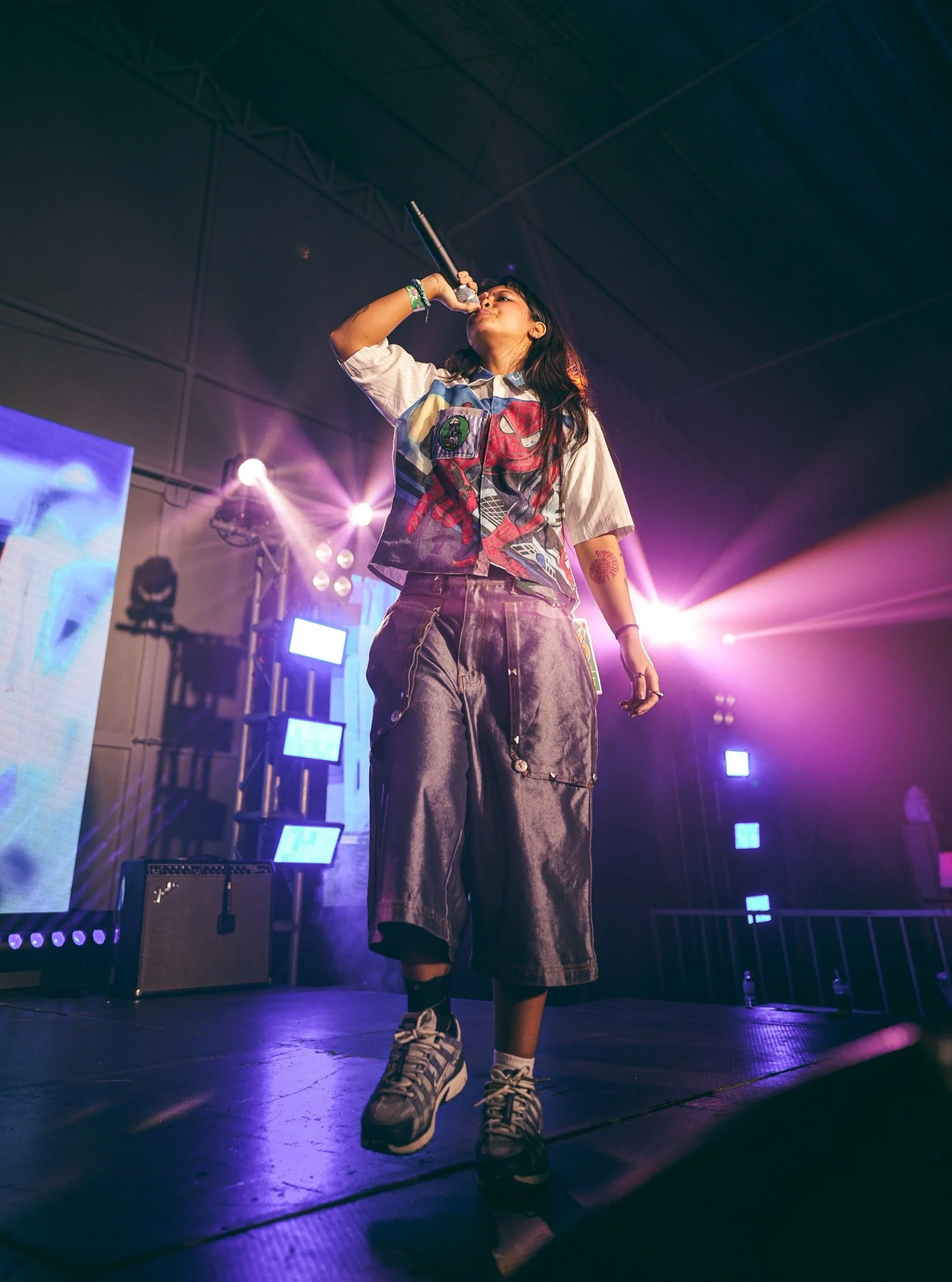
Photo credits from BABY FREEZE
CINE ESCALONA
Cine Escalona is a beauty content producer and creator. With over a decade of experience across agencies, publications, and beauty brands, she now primarily works with international clients like Fenty Beauty and Rare Beauty, bringing the Manila energy into her work. She is also one-third of LoWA studio, a women-led creation space that recently hosted a pop-up event and fundraiser for Metro Manila Pride this month.
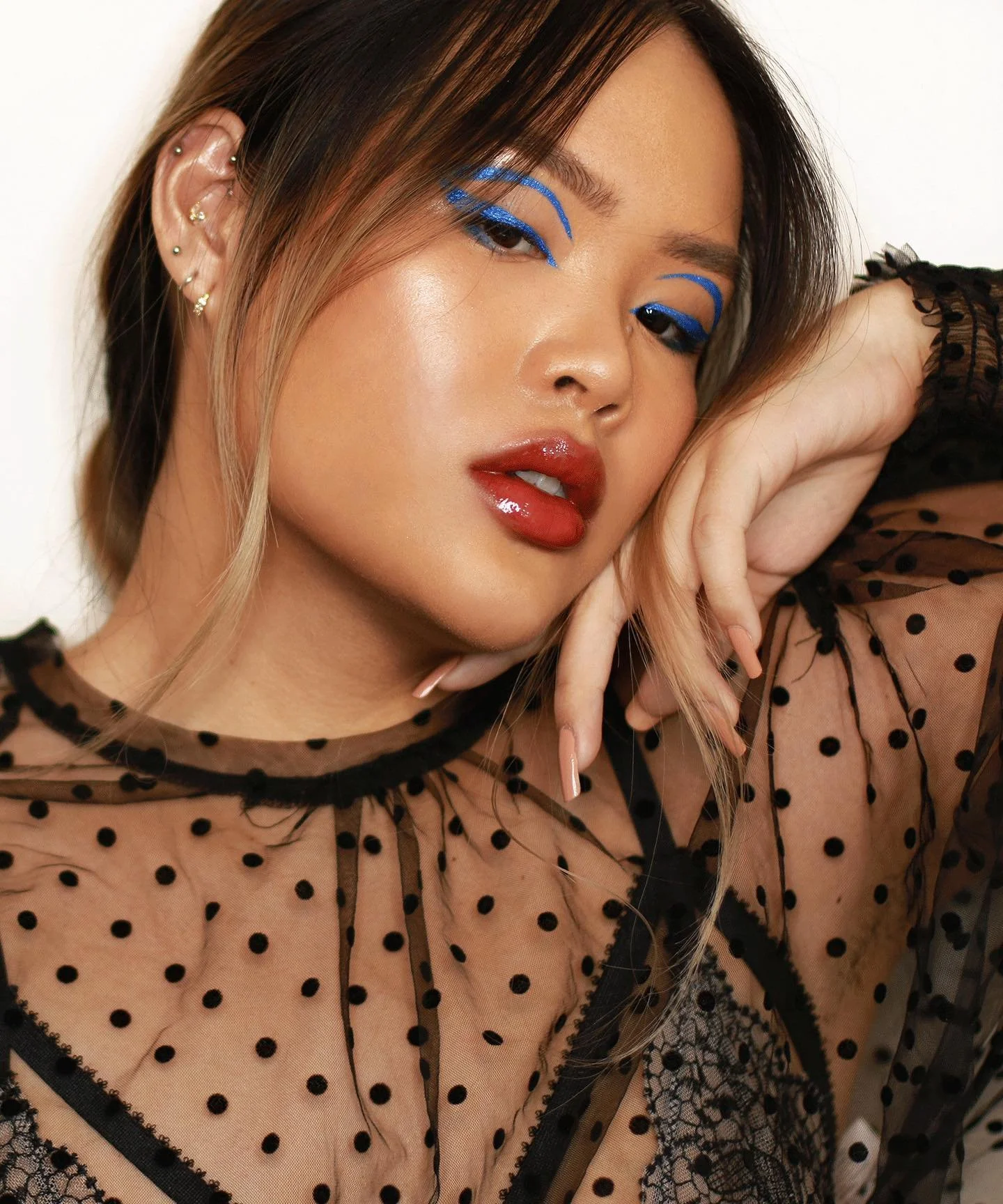
Photo credits from Cine Escalona
Q&A
HOW HAS YOUR IDENTITY INFORMED THE WAY YOU APPROACH YOUR CREATIVE PRACTICE?
I came out to myself very early in life, so I had a long time to understand my identity separate from being a creative. I've always been a lesbian, and luckily, it’s never been a point of contention whether or not queerness was something to be frowned upon. If anything, it’s very welcomed.
I'm able to bring my very strong identity of queerness into my work, which shows a lot in how I and people from my studio treat people—especially women—in this awful world where people don't treat them well. I was surprised to find that the basic hospitality we queer women give to each other is not the universal language in all of these productions.
That’s why a lot of people see LoWA as a safe haven. At the core of it, being a queer woman and knowing those struggles shaped how I view people and how they should be treated. Everyone who comes into our space deserves to create without the fear of judgment or the fear of persecution.
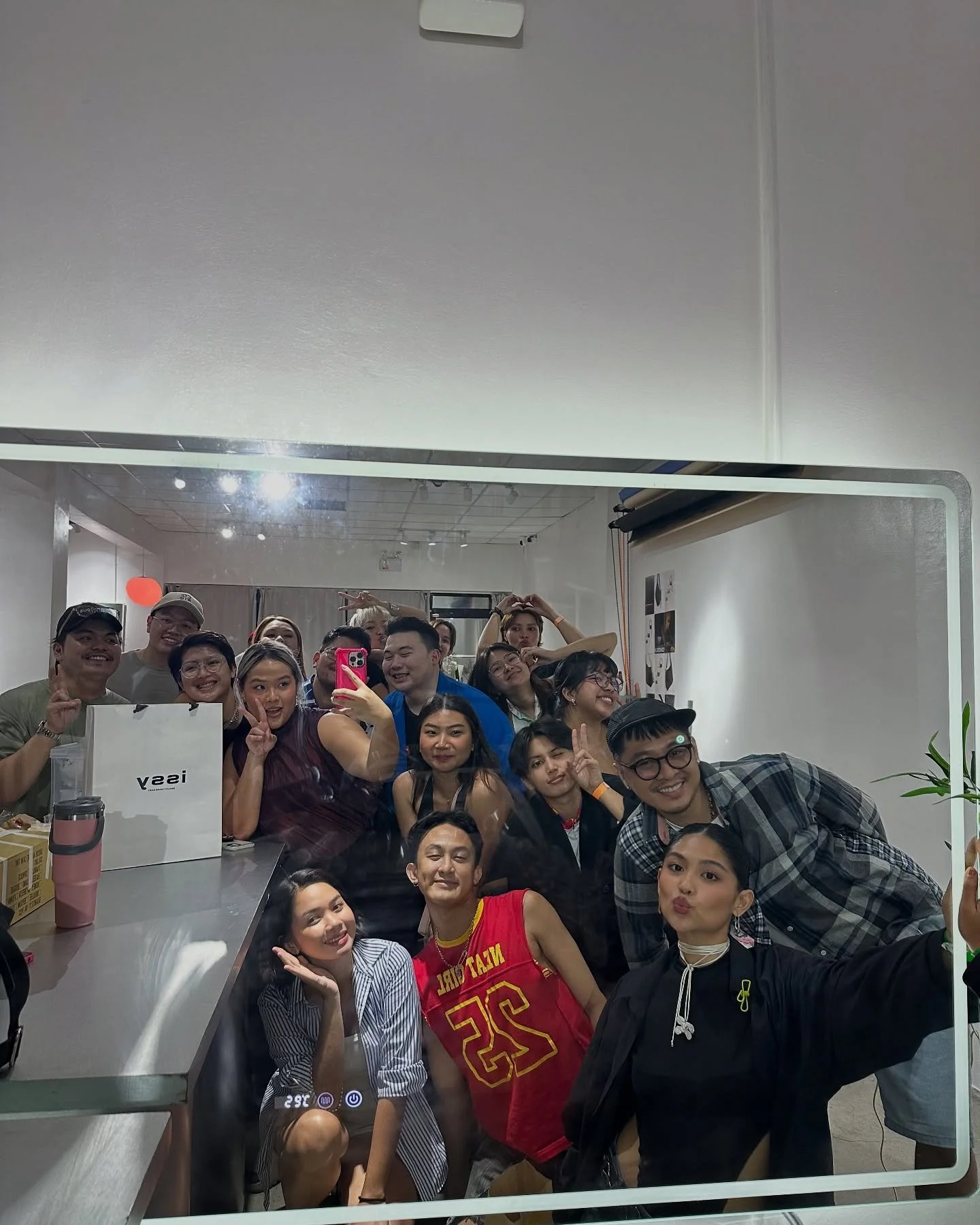
Photo credits from LoWA Studio
WHAT ASPECTS OF YOUR QUEER EXPERIENCE ARE YOU STILL UNCOVERING OR REFLECTING ON THROUGH YOUR PRACTICE?
I think having a bigger studio has definitely helped me—not necessarily understand myself and my queerness better, but understand more of the community. In a way, that also helps me define how I see myself or the people around me.
There's so many people coming in and out and we get to meet so many identities—the variance of gay men, trans women, trans men, all of that. The creative space is flooded with so much queer talent. We get to learn more about people we would normally not be able to meet in a regular office setting or when you go out. Here, it's really blatant—"Oh, this person is queer," —and they are queer own unique way. It's fascinating to learn how many versions of gay everyone is and how different but the same we all can be.
HAVE YOU EVER FELT THE PRESSURE OR NEED TO NAVIGATE YOUR QUEERNESS DIFFERENTLY DEPENDING THE SPACE YOU’RE IN?
I don't think queerness has ever been a struggle for me, or like at least the rooms I've been in. It's never been a problem to be addressed or an elephant in the room. I'm a very well-defined person, and I'm able to command a room—the queerness is just part of that. I just so happen to be queer and I think I like that way. It’s a part of me but it's not the whole defining factor about who I am. I'm a good friend, a good coworker, a good producer—I'm a lot of things, and I am also queer.
When it comes to pressure, it's more of me pressuring myself on how can I maximize the opportunities I’m given and share them with more people in the room, more talented queer people around me. I want to hire more women, more queer artists to share this space with me because I'm put in a very unique position where the brands I work with are global. That's an amazing platform that deserves to be shared with a lot more talented people.
As a content producer, it's always a pressure of who else can we work with, who else is queer here, who else deserves a spotlight. There's so much space for everyone, and I feel it's my responsibility, when taking on clients, to know that, this is a respectable person, this deserves a chance. Representation starts with me but it doesn't end with me. It ends with growing that and giving people more work, giving people more opportunities. That's the pressure I always find myself in, like how can I push the envelope, how can I grow this big enough that more people are able to take fruit and make a living out of it?
PRIDE OFTEN GETS FRAMED AROUND STRUGGLE. WHEN DOES PLEASURE, PLAY, OR HUMOR LIVE IN YOUR PRACTICE?
Anyone who works with us or ends up in our studio will say it’s all play, pleasure, and fun. The comfort and enjoyment of the people around us directly correlates to the quality of work that is being delivered. I think that’s where having the safe space comes into play. I think that’s why people enjoy being in the studio, being around my team so much, is because it’s just fun. Like, you’re able to not have to have that barrier between yourself and the production team, in being able to do your best because you know you don’t have to protect yourself at the end of the day.
It’s not a good day, it’s not a work day, if there’s no pleasure, fun, or play. That should be the standard. At the end of the day, work is work, but if you're spending and dedicating so much of your time to one thing, like, why should you do it in a space that you don’t feel good in? It’s the backbone of my whole creative practice, because people and community is the most important thing to me. It should be to everyone.
Within these conversations, what emerges is not a singular definition or perspective of queer creativity. Rather, it is a lived reality and is continually shaped through practice.
PHOTOS BY RIK RASOS, BABY FREEZE, & CINE ESCALONA
WORDS BY IA PANGANDIAN